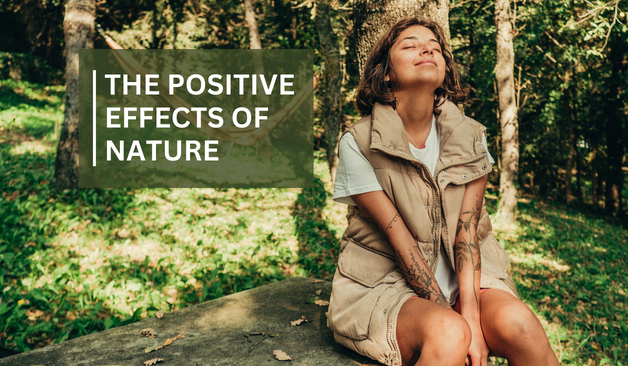
Learn how nature helps you relax and increase your well-being
Whether you are close to natural environments such as forests, meadows, mountains, water or not, you can still enjoy the same positive effects by looking at pictures or visiting a nearby park.
Regularly looking at pictures of nature or visiting natural environments can improve your health and well-being. It is interesting that we can experience nature without instruments or other aids. Man is amazing.
Research shows that humans should visit natural environments as often as possible. In this article, you will read how nature impacts our well-being. We’ll identify the health benefits and what could prevent us from experiencing these benefits.
And also discover nature’s healthy effects on our mental health, plus suggest nine pleasant ideas that can help you enjoy nature in the autumn. Let’s explore how nature helps you relax.

A bonus at the end of this article is waiting for you – for free!
How nature helps you relax and impact your well-being
What do we mean by nature?

When we talk about the impact of nature on our well-being, we refer to any natural elements and environments. Everyone has a different preference for the type of natural surroundings they prefer, usually based on what they are used to.
It could include water, a forest, mountains, hills, fields, parks, a garden or something else. The important thing is that you find a natural environment nearby and easily accessible. There is a big advantage to regularly return to the places you enjoy, where you feel calm and relaxed.
I personally have the privilege of being close to water, which I find extremely calming. And hiking in the mountains is also fairly close, but requires a little more planning to pull it off. That which is closest is easiest to return to more often. Think about what feels good to you and is easy to get to.
Research shows that environment has an impact on our stress levels, which in turn impacts our bodies.
How different environments affect humans
Research reveals that different environments can increase or reduce our stress levels, which in turn impacts our bodies. What we are seeing, hearing, experiencing at any moment changes our mood and how your nervous, hormonal, and immune systems works.
The stress of an unpleasant environment can cause you to feel anxious, sad or helpless. This in turn elevates your blood pressure, heart rate and muscle tension, and also suppresses your immune system. So, a pleasant environment will reverse these effects.
And regardless of age or culture, humans find nature pleasing. In one study cited in the book “Healing Gardens”, researchers found that more than two-thirds of people choose a natural setting to retreat to when stressed. Three benefits of how nature helps you relax and impacts your wellbeing. They are: nature heals, relieves pain and restores.
The positive impacts of nature on our wellbeing are: it heals, relieves pain and restores.
1 Nature heals
Being amongst nature, or even looking at pictures of nature, reduces anger, fear and stress, and increases feelings of pleasure. Exposure to nature doesn’t just make you feel better emotionally. It also contributes to many positive effects:
- Your physical well-being
- Lowers blood pressure
- Muscle tension
- Lower production of stress hormones
Research conducted in hospitals, offices and schools has found that even a simple plant in a room can have a significant positive impact by reducing stress and anxiety.
2 Nature relieves pain
We are genetically programmed to find trees, plants, water and other natural elements captivating. When we experience scenes of nature, we are distracted from our pain and discomfort.
In a study of patients who underwent gallbladder surgery, 50% had a view of trees and 50% had a view of a wall.
According to the doctor who conducted the study, Robert Ulrich, the patients with a view of trees tolerated pain better, appeared to have fewer adverse effects, and spent less time in hospital. And more recent studies have shown similar results, with scenes from nature and plants in hospital rooms.
3 Nature restores
 One of the most intriguing areas of current research is the impact of nature on general well-being. In one study in “Mind”, 95% of those interviewed said their mood improved after spending time outside, changing from depressed, stressed and anxious, to calmer and more balanced.
Other studies, by Ulrich, Kim, and Cervinka, show that time spent amongst nature or looking at scenes of nature is associated with positive mood, psychological well-being, meaningfulness and vitality.
Furthermore, time spent amongst nature or viewing nature scenes increases our ability to pay attention. Because humans find nature inherently interesting, we can automatically focus on the scenes of nature we are experiencing. So, this also provides a respite for our overactive minds, refreshing us for new tasks.
The health benefits of nature’s well-being
Surveys in several countries have shown that many people like to visit natural places, such as forests, to relax and relieve feelings of tension. Behavioral and social scientists have identified the reasons why nature is so beneficial for our well-being and health. Three reasons why nature helps you relax when you experience natural areas positively are: attention restoration, stress recovery, and the possibilities for personal development.
Attention Restoration Theory (ART) (Kaplan, 1989, 1995) suggests that mental fatigue and concentration can be improved by time spent in or looking at nature. The brain’s ability to focus on a specific stimulus or task is limited, which leads to ‘directed attention fatigue’.
Stress Recovery Theory (SRT), (Ulrich, 1981). According to Ulrich’s theory, natural environments promote recovery from stress, while urban environments tend to hinder the same process. Being in an unthreatening natural environment or looking at natural elements, such as vegetation or water, immediately activates a positive emotional response. This causes both blood pressure and heart rate to decrease. If sustained attention is also induced, negative thoughts and feelings are blocked.
Personal development
 With all the benefits that appear in the two theories above, it is important to regularly experience nature, whether in person or in looking at pictures.
No matter which type of natural environment you choose to visit or view, the fact that it is your preference probably means it has the best healing effect.
Regardless of which type of nature you prefer, it is important to regularly immerse yourself, by looking at pictures, visiting or staying in the natural environments you prefer.
How we perceive unforeseen actions that shape our behavior affects the benefits we get from enjoying nature. The reinforcement or feedback that shapes a person’s behavior in a natural setting is different from what he or she receives in everyday settings.
There is a difference in behavior patterns and the view of the self. Personal growth is seen in the natural environment. For example, confrontation of problems, challenges or opportunities for reflection.
More specific benefits are:
- Improved problem-solving ability
- Greater self-confidence
- Changes in self-concept
- Self-esteem
- Body image
The effects often appear over the course of days or weeks, with some lasting far longer than the time actually spent in the environment itself. But, to foster these positive effects, you need to frequently commune with nature. The more times, the better.
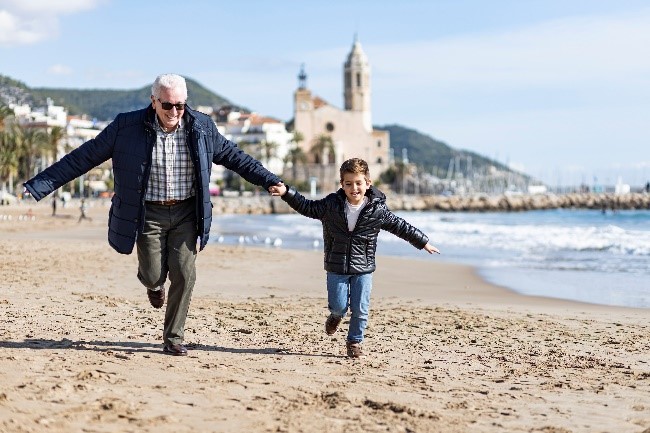
What positive effects can you experience with the help of nature?
We are exposed daily to an enormous flow of information and images. So, our brain is constantly put under pressure. To relax, the brain needs to recharge and get new energy. It is important to turn off the parts of the brain where we deal with problems, worries or thoughts of disaster, thereby allowing this part of the brain to rest. We can call it a micro-vacation.
If our brains are constantly set to turbo mode, our need to recover and relax is even stronger. We need to take breaks several times a day, otherwise, there is a high risk of overexerting the brain, which can cause diseases. But, to take care of our brain and ourselves, we need to know how to be here and now; both mentally (the brain) and the body (physically).
We often have a lot of problems to deal with. So, it is important to let go for a while to let the brain rest. Here is an example of what can happen when you don’t stop thinking about work-related problems even after you get home in the evening.
What can happen when your brain is too busy when you are at home?
Let’s say you have a problem that you continue to think about when you get home from work in the evening. This is even more likely if you work from home.
You are so busy thinking about your problem that you don’t recognize the people around you. Your mind is elsewhere even though you can cook, eat, and hang out with the family. Your body is the only thing physically present. If you’re not present in the moment, it will negatively affect you and those around you.
Here are three examples:
-
The brain never gets time to rest
-
Others that are exposed to your passive, absent-minded behavior
-
The problem remains unsolved

1 The brain never gets time to rest
The more pressure you put on your brain without the opportunity for rest and relaxation, the less efficient it will be. Therefore, increasing the number of thinking hours without breaks does not help.
2 Others that are exposed to your passive, absent-minded behavior
Other people are subjected to your absent, passive attitude, where you respond automatically (or even a little annoyed) and show little interest in others. This is not conducive to a pleasant atmosphere. They might even think, “Why is X so angry and what did I do wrong?”
3 The problem remains unsolved
When your brain is tired of the day’s marathon and needs to rest, the chance of finding a solution is slim. So, the time you spend trying to find solutions when your brain is overworked and tired is a waste of time.
What you can try to do instead

Park your problems and pick them up at a pre-arranged time
Instead of continuing to think about work problems when you get home, you can set a time to think about them again. For example, at 9pm the same evening after dinner (if it is urgent) or book a suitable time of meeting with yourself in your calendar.

Now you have a plan and can enjoy the moment
Either way, once you’ve scheduled an appointment, you’ve put the problem on hold and can be 100% present at dinner, thanks to your new way of dealing with your work problems. You know the issue is safely parked, ready to be pickup at a certain time, which means you’ll remember to do it. You can completely relax now.
The challenge of being 100% present to let nature help you relax
For anyone who wants to relax and be in the moment, nature provides the right environment. If there is a risk of being absent due to the numerous issues that need your attention, arrange a visit to nature. Write down the problems/challenges that bother you the most.
Park them in the appropriate places with their own appointments in your calendar, giving you a timetable for when you will think about your problems. And now you can more easily achieve the wonderful “just-be-here-and-now” part of the brain and become one with your mind and body.
This also means not using any technical device during the 100% being ‘present’ time.
If we continue to think about our problems and other things, our brain shuts itself off to everything outside (society, surroundings and the environment). Then it doesn’t matter where our body is – we’re stuck in our brain bubble.
Instead, we need to turn off and embrace nature with all our senses. If we focus consciously on just being in the present moment by using our amazing five senses (listening, smelling, seeing, feeling, tasting (with caution), we experience the positive effects of how nature help us to relax by being in the moment.
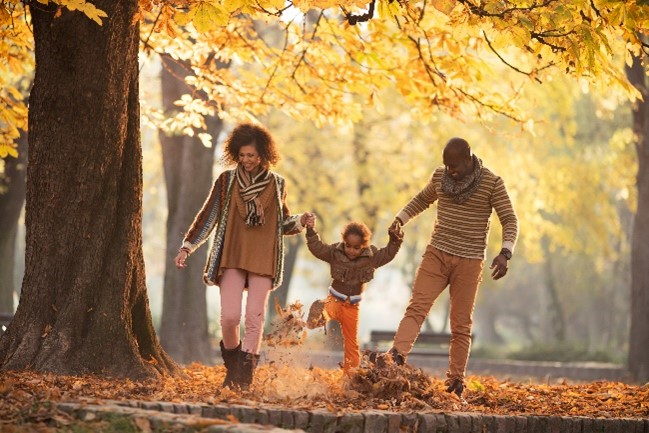
With 100% presence, maximum relaxation occurs
By being 100% present, our brain pays attention to what we experience. What we look at, listen to, hear and smell. Then we are present with our whole being. This means that we get the relaxation from everyday life, peace of mind, and wonderful experiences that increase our well-being. Because everything that nature has to offer captivates us, and we can enjoy the beauty.
Examples of how nature benefits your mental health
Spending time in green (forest, hills), blue (water) or brown (mountains) nature spaces or bringing nature into your everyday life can do more than help you relax. You can benefit both your mental and physical well-being. For example, doing things like growing food or flowers, exercising outdoors or being around animals can have lots of positive effects.

It can:
- improve your mood
- reduce feelings of stress or anger
- help you take time out and feel more relaxed
- improve your physical health
- improve your confidence and self-esteem
- help you be more active
- help you meet and get to know new people
- connect you to your local community
- reduce loneliness
- help you feel more connected to nature
- provide peer support.
© Mind. This information is published in full at mind.org.uk
Wrap up
You have now read about how nature impacts our well-being, its benefits, how you can make your mind present. And the interesting healthy effects on our mental health. I hope you have learned that nature helps you relax.
My intention with this information was to help you remember the positive impact nature has on us. So, it will hopefully help you to prioritize spending time in natural environments that will increase your well-being regularly. With more information about what you can do to feel better, the easier it will be to make it on your top list. And it’s important to know that we need these nature well-being boosts regularly.
So, please try to list the many ways you can visit nature, either by yourself or with others. For example, think about doing different seasonal things. The more you do what you like in nature, the more you will prioritize these activities.
When you write your list, “activities to enjoy in nature once a week”, it will help you remember what you like and what’s important for your well-being. If it is only in your mind, it is not so easy to remember it. However, if you create a visible list, chances are you will continue to add to it!

Here is a list of 9 things to do in nature in the autumn + 1 exception.
-
Visit a farmers’ market
-
Canoeing on a river
-
Hiking for several hours
-
Go horseback riding
-
Make a quiz tour in nature
-
Enjoy a nice picnic
-
Make leave angles
-
Rent mountains bikes for a nature tour
-
Go apple picking
Exception:
Make a fabulous apple pie to celebrate the positive impact of nature…
Eating something good after being out for many hours in nature helps you relax. That is happiness for me. What about you?
FREE BONUS!
Learn more about to relax and have fun!
The Johaloha Guide to Having More Fun
Sign up for our completely free Guide to Having More Fun.
Having fun gives us energy, so we can partly have fun while doing something we like, and partly get energy that makes it easier to do certain boring must-do things.
Click on the button below to get the guide!
Wish you all the best,
Ulla Lilliehook