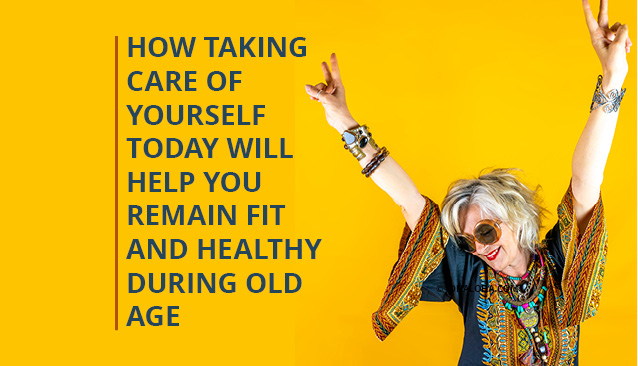
How taking care of yourself will help you remain fit and healthy during old age.
In this blog you will read how to prevent burnout and exhaustion now and later in life. So, what steps are important to safeguard your physical, mental and emotional wellbeing?
The good news is… you can stop overthinking and over analysing. As the secret to staying mentally and physically fit and healthy as we age, we recognize the importance of getting enough rest. By getting enough rest and quality sleep, you can improve all aspects of your life, so you feel happier and healthier. By adopting healthy habits today, you can give yourself the best possible outcome in your old age.
Too Busy lifestyle is not taking care of yourself during old age
All too often, we trade sleep for binge watching box sets, catching up with friends or trying to keep your head above water at work. Sometimes there just aren’t enough hours in the day to achieve everything we want to do, so you don’t take breaks and sleep suffers.
Many of us are guilty of powering through when working on tricky problems or up against a deadline. It is a common misconception that multi-tasking is more efficient. For example, spending 24 hours plugged in to your digital devices will mean more productivity. This is counterproductive, as it impacts the quality of your work, and also detrimental to your health.
The human body needs regular breaks
Humans aren’t designed to work for hour upon hour without a break. The body is designed to work in short bursts and then needs time to recharge. This is why it’s crucial to take a break every couple of hours, even if it’s just for a few minutes. Regular breaks allow the body, mind and soul to refresh and de-stress.
According to the World Health Organisation, it is important to take at least several short breaks throughout the day (depending on whether you are at work or home). This can boost your performance, help you de-stress and foster a more positive attitude.
“When people describe their own levels of happiness, being well-rested comes out on top.“ Daniel Kahneman and Alan B. Kruegar, Happiness
Although taking regular breaks during the working day doesn’t have the same impact as a full-blown holiday, research has shown that there are still considerable benefits.
A report by ‘Korpela, Kinnunen, Geurts, de Bloom and Sianojreveals, ‘Recovery during lunch breaks: Testing long-term relations with energy levels at work’ outlines the very real benefit of taking a lunchbreak, stating that it not only improves energy, there are also positive long-term effects such as reducing the feeling of exhaustion.
If you aren’t allowing time to relax you can experience feelings of high anxiety and stress, and if not addressed properly these can result in long-term problems like depression or manifest themselves as physical symptoms such as chest pains or digestive issues.
4 techniques for being restful and taking care of yourself during old age
Rest is something that you should purposely include in your daily routine, and here are four techniques that can help you:
1 Practice Gratitude
Positive thoughts and gratitude are suggested to create a happier frame of mind and to help people feel more satisfied with their life. Instead of feeling gratitude for the big things in life, be grateful for the small things in life such as a tender touch or nice smile. Little by little you feel more positive.
2 Healthy Habits
It is possible to learn how to relax and ultimately become the person you have always wanted to be. By adopting healthy habits, such as becoming healthier through nutrition and exercise, taking more rest and getting enough sleep.
The Johaloha course Healthy Habits provides the tools and knowledge to help you reinvent your life. By teaching you how to break unhealthy habits and adopt healthier ones, how to create healthy plans, and to increase your motivation. This will lead to more energy and give you a better quality of life… now and during old age.
For example, incorporating exercise into your daily routine helps both body and mind, by releasing hormones and regulating neurotransmitters that improve mood. This can be energetic or restful activities, such as Yoga. Similarly, including time for mindful relaxation provides the opportunity to switch off, which is essential for physical, emotional and mental wellbeing.
3 A good night’s sleep
“The optimal amount of sleep needed for an adult to function properly is 7 to 8 hours of good sleep each night.”Eric J. Olson M.D. of Mayo Clinic
Yet it isn’t just rest breaks throughout the day. Getting enough sleep is essential for maintaining our mental, emotional and physical health. The body needs sleep to repair and reboot your mind and body, ready to face a new day. There is a strong correlation between a good night’s sleep and the reduction in stress and other life-threatening conditions, such as heart disease, obesity, and high blood pressure.
4 Learn how to relax
If you are not sure how to make your rest time as relaxing a possible, here are some handing tips.
Relax in your own way
There isn’t a one-size-fits-all remedy. Some people find getting absorbed in a hobby is relaxing, while others prefer to exercise or take a more mindful approach. It is up to you, whether relaxing with friends or enjoying time alone, to practice deep breathing. The choice is yours.
Schedule rest time
It may sound strange, but to benefit from your rest time, you need to be fully committed. Set aside time to enjoy a specific activity that you enjoy, and don’t get side-tracked. The more you put in, the more you will get out of it. Even just a few minutes will help, if you decide to be fully committed for a specific short time.
Set your watch (or phone) for 5-10 minutes, and then do something spontaneous like dancing to your favourite song, or changing your surroundings when you have a cup of coffee, or something else that you wouldn’t normally do during your day. Taking short rests at least every two hours will help restore your energy, allowing you to be more effective and alert.
Relax your mind and body
Even if you have scheduled time for a relaxing activity, if your mind is not present, you will not fully rest. Learning to disengage from negative emotions and the guilt of taking a rest is all part of practising self-compassion.
Regular rest
Restricting your rest times creates an all or nothing attitude that can be counter-productive. For example, if you only relax at the weekend, you could feel guilty for doing nothing for long periods. However, taking regular shorter breaks throughout the week allows you to recharge and perform better.
Adequate rest = greater productivity
As touched upon early, humans are not designed to work like machines. We need to recuperate mentally and physical to achieve optimum performance. This means we must recognize the importance of rest to achieve more. Long hours with few breaks cause stress, and this is not conducive to good health or output.
Be kind to yourself
As discussed in blog, ‘Why you should be kind to yourself’, self-care and learning to be kind to yourself is important for rest and relaxation. You should be so hard on yourself, be patient and positive, while working out your relationship with rest.
In conclusion, by introducing simple changes in your routine and behaviour you can start living the life you want. Learn to relax by learning to be kind to yourself, take regular rest breaks, exercise, eat healthily, socialize with family and friends and get enough sleep. Relaxation and rest are at the core of achieving a happier, more productive and stress-free life. These are activities you can start today. Choose one thing you would like to start with. If you start now, you will become an expert in taking care of yourself during old age.
Do you want to know more about be kind to yourself?
Click on the button and send us a message!
We look forward to hearing from you :-)